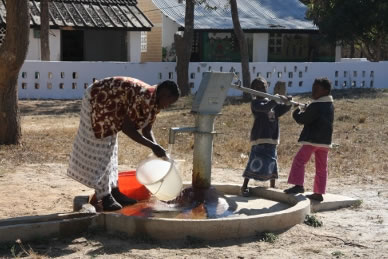
A borehole can transform daily life, but construction is only the beginning. Reliable rural water services depend on maintenance skills, transparent local management, safe sanitation and a plan for the years after installation.
Plan with the people who will use the water
Community mapping can identify who currently collects water, seasonal changes in supply and barriers faced by older people or residents with disabilities. Women and girls often carry much of the collection burden, so their participation in siting and management decisions is essential.
Build maintenance into the project
Every water point needs named caretakers, access to common spare parts and a simple way to report faults. A locally agreed maintenance fund can make small repairs faster, provided contributions and expenditure are recorded openly. Training more than one pump minder reduces dependence on a single volunteer.
Connect water, sanitation and hygiene
Safe water brings the greatest health benefit when it is combined with clean latrines, handwashing and hygienic storage. Health facilities and schools need particular attention because reliable water supports infection prevention, attendance and dignity.
Measure whether service lasts
Counting completed boreholes is not enough. Useful checks include functionality, downtime, water quality, walking time and user satisfaction. Community committees can keep simple records, while periodic technical visits help identify patterns before breakdowns become serious.
The archived Kaloko stories show why local training mattered alongside infrastructure. Read how a clean-water programme developed, learn about school sanitation, or view our programme themes.