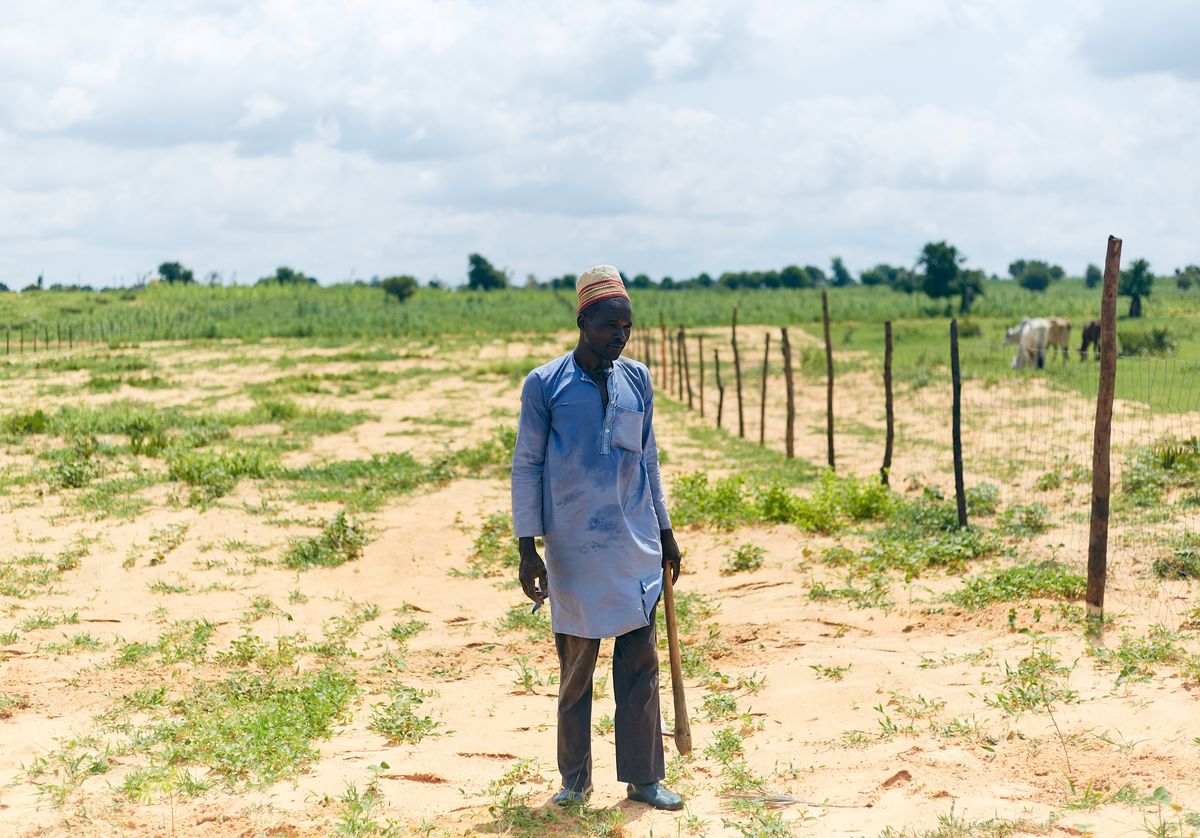
Smallholder farming supports livelihoods across rural Zambia, yet decisions about seed, planting, water and markets are becoming harder as rainfall patterns shift. Digital tools can help, but only when they are designed around farmers’ daily realities rather than around technology alone.
Start with useful, timely information
A basic phone can deliver weather alerts, planting reminders and local price information. The strongest services use local languages, work on low-cost devices and offer an offline route through extension workers. Digital advice should complement trusted community knowledge and field observation.
Zambia’s growing digital agriculture systems show how farmer registration, e-extension and market directories can connect public services. For remote communities, the important questions remain practical: Is the information understandable? Does it arrive before a decision must be made? Can women, young farmers and people with limited connectivity use it?
Combine technology with climate-smart practice
Forecasts have greater value when farmers can act on them. Training in drought-tolerant crops, soil cover, crop rotation, water harvesting and diversified livelihoods turns information into resilience. Demonstration plots and farmer-to-farmer learning make unfamiliar practices easier to assess.
Protect trust and farmer data
Registration systems can reduce duplication and improve access to inputs, but personal data must be collected transparently. Farmers should know what is recorded, why it is needed and who can see it. Programmes also need a clear correction process when records are wrong.
A community-first checklist
- Co-design services with farmers and local extension teams.
- Offer SMS, voice and in-person options.
- Measure useful outcomes, not simply registrations.
- Build local capacity for maintenance and support.
- Review access gaps by gender, age and disability.
Digital agriculture is most effective when it strengthens relationships among farmers, advisers, buyers and public services. That principle echoes Kaloko’s long-standing emphasis on practical training and locally managed solutions. Explore the background in our sustainable livelihoods overview and the earlier story about women and household food security.